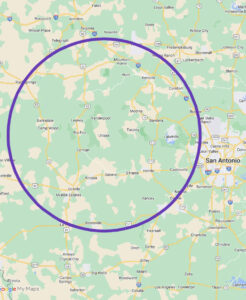
Service area: Click map to enlarge

We Unclog RV Toilets in the Hill Country & South-Central Texas Area

At Park & Purge, we tackle stubborn RV toilet clogs and restore proper tank function—100% mobile to Bandera, Uvalde, Real & Kerr TX counties

Clogs in RV toilets and black tanks are surprisingly common. They’re often caused by not using enough water when flushing, flushing the wrong kinds of materials, or leaving the black tank valve open when hooked up to sewer (allowing solids to pile up and harden inside). Whatever the reason, a clogged RV toilet can quickly turn into a frustrating (and smelly) problem. When that happens, just call Park & Purge. We’ll get the clog cleared and your RV toilet back to normal.

Whether it’s a blocked toilet line, a compacted tank, or an uncooperative flush, we bring experience, precision, and a proven process to get things moving again and prevent costly damage down the road. We tackle tough RV toilet clogs and restore proper tank function. No mess, no hassle, no guesswork of DIY fixes (that oftentimes end up costing you even more).

And, while we’re there… for an additional fee (see below) we can also hydro-jet clean and restore your RV’s black tank (as described here), so you can enjoy accurate sensors, fresh air, and stress-free travel. Call or text 830‑275‑0297 or reach out through our Contact page to schedule service and get back to flushing with confidence.

We Unclog RV Toilets in the Hill Country & South-Central Texas Area

At Park & Purge, we tackle stubborn RV toilet clogs and restore proper tank function—100% mobile to Bandera, Uvalde, Real & Kerr TX counties

Service area: Click map to enlarge

Onsite RV Tank Cleaning: We use a specialized high-pressure water jetting method to thoroughly clean the interior walls of your RV’s holding tanks. No chemicals. No gimmicks. Just precision water power doing what onboard sprayers and additives can’t.

We blast your tanks with targeted water jets at around 1,500 PSI using specialized nozzles designed to scour every interior surface. This clears away hardened debris, sediment, and the sticky layers left by so-called cleaning additives. Once that’s done, we run thorough rinses to remove any loosened gunk still hanging on.

The result: your tanks drain better, odors are eliminated, and sensors often return to working order. The entire process takes about one to two hours, depending on the number of tanks and the condition they’re in.

A deep clean every 6 to 12 months keeps things running as expected – and helps extend the life of your tanks and plumbing. (And If your RV will be sitting idle for a while, it’s smart to have the tanks fully cleaned beforehand. Letting waste or residue sit can lead to major issues and nasty smells down the line.)
If you need more motivation to have your tanks professionally cleaned—or would like to see a list of the most common troublemakers hiding inside your tanks—click here.

We Also Clear Clogged Toilets

At Park & Purge, we tackle stubborn RV toilet clogs and restore proper tank function—without the mess, hassle, or guesswork of DIY fixes. Whether it’s a blocked toilet line, a compacted tank, or an uncooperative flush, we bring experience, precision, and a proven process to get things moving again and prevent costly damage down the road.

And, while we’re there… for an additional fee (see below) we can also hydro-jet clean and restore your RV’s black tank (as described above), so you can enjoy accurate sensors, fresh air, and stress-free travel. Call or text 830‑275‑0297 or reach out through our Contact page to schedule service and get back to flushing with confidence.

Prevent Future Clogs: Tips That Work

Maintaining a clog-free RV toilet isn’t hard—but it does take smart habits. Here’s what experienced RVers do:

Use the Right Toilet Paper

Always choose RV-approved or septic-safe toilet paper that dissolves quickly. RV-specific brands such as Scott Rapid-Dissolving, Thetford Aqua-Soft, or Camco perform well in limited water toilets. Avoid multi‑ply or household paper, which fragments slowly and often contributes to buildup and tank clogs.

Flush with Ample Water

Perhaps the best “tip” we can offer: RV toilets use far less water than residential ones. To compensate, flush with ¾ to 1 gallon of water, and consider pouring another 1–2 gallons after using. Some RV owners even hold the flush pedal 10–15 seconds to ensure thorough flow. These practices help push solids through the line and prevent accumulation in the tank.

Keep the Tank Valve Closed While Driving & Camped

Very, very important! Leaving holding tank valves open is not a good move. Doing so allows liquids to drain, leaving solids to dry and harden—greatly enabling the formation of the dreaded “poo pyramid.” Keep those valves (for both black and gray tanks) closed when not actively dumping (or doing laundry).

Dump Tanks Regularly & Rinse Thoroughly

Empty the black tank when it’s 50–75% full, not completely full.

Use Enzyme-Based Tank Treatments

Add a bacteria- and enzyme-based tank treatment before fills and regularly thereafter. These treatments break down organic solids, control odors, and help maintain sensor accuracy. Users report that enzyme treatments create a sludge less likely to form blockages compared to untreated waste.

Why These Practices Matter

By combining careful flushing habits, using the right toilet paper, and rinsing the tank properly, you dramatically reduce the chance of clogging. These simple steps keep your black tank fluid-rich, free of hardened waste, and ready for easy dumping—less mess, less stress, and fewer service calls later.

Maintenance Packages

An investment made today saves you big in the future!

Water Heater Maintenance: While we’re servicing your tanks, we can also flush and check your hot water heater. It’s a quick but essential maintenance job that we highly recommend be conducted annually. Remember, today’s investment ensures that the system continues to operate smoothly, virtually guaranteeing a longer lifespan.

Note: We do not service on-demand water heaters.
Water Heater Maintenance - $225

Flush tank (removing sediment) • adjust air shutter if necessary (Dometic/Atwood) • replace anode rod (Suburban units) • test relief valve & electric heating element • inspect & clean gas orifice • inspect burner assembly removing any nests, bugs, or other obstructions

Over time, water heaters build up sediment and deposits. Their anode rods give up the ghost and stop protecting your tank, the gas-delivery elements get gunked up with deposits, and mud dauber nests flourish! Invest a little now, preferably once a year, save loads in the long run.

Service Area

Park and Purge RV Tank Cleaning

We are 100% mobile to the following Texas Hill Country areas:

Bandera, Barksdale, Castroville, Comfort, Concan, Garner State Park, Hondo, Kerrville, Lakehills, Leakey, Lost Maples, Medina, Medina Lake, Moore, Mountain Home, Tarpley, Utopia, Uvalde, Vanderpool

Service Areas

Mobile to the Following

FAQs

Common Questions Answered

Black Tank Cleaning

The What, Why & How